Desk-break reminders on Windows
Interrupt long sitting with gentle movement cues.
Build a repeatable Windows routine for standing, moving, stretching, and checking posture—without forcing a complicated fitness program.
Why separate movement, stretching, and posture?
These cues are related, but they ask for different actions. A movement break may mean leaving the chair briefly. A stretch cue may mean relaxing the shoulders or changing position. A posture check is a moment to notice the feet, chair, keyboard, display, and whether the current position feels sustainable.
Keeping the prompts separate makes the routine easier to tune. Someone who changes rooms frequently may need fewer movement reminders but still benefit from a posture cue. Someone in long meetings may prefer one combined reset between calls.
Use a rhythm, not a punishment.
CDC/NIOSH office guidance notes evidence that short hourly breaks can reduce discomfort for people who work on computers. Separate NIOSH guidance for home work recommends periodic rest breaks and changes in posture, including brief time away from screens and sitting. Those findings support a simple principle: interrupting long static periods matters more than designing a perfect notification system.
- Choose one cue first. Start with stand-and-move if the main problem is losing track of time in the chair.
- Make the action small. Stand, take a few steps, change position, or relax the shoulders—whatever is appropriate for you.
- Use active hours. Limit reminders to the part of the day spent at the computer.
- Protect focused moments. Snooze when a meeting or task genuinely cannot pause, then let the routine resume.
- Change the environment too. Reminders do not replace a suitable chair, display height, lighting, or professional ergonomic assessment.
| Cue | What it can prompt | When it may fit |
|---|---|---|
| Stand and move | Leave the chair briefly and change position. | After a long focus block or between meetings. |
| Stretch break | Relax the shoulders and use a gentle movement appropriate for you. | When the body feels static or tense. |
| Posture check | Notice feet, seat, shoulders, keyboard, and display position. | More frequently than a longer movement break if useful. |
| Custom reminder | Add a cue recommended for your own routine. | When a therapist, clinician, trainer, or workplace plan gives specific guidance. |
Comfort is personal.
Stop an activity that causes pain, dizziness, or other concerning symptoms. Seek appropriate professional guidance for an injury, disability, persistent discomfort, or a workplace accommodation.
What makes a break reminder sustainable?
It respects active hours
The app should know when the desk day starts and ends.
It offers distinct cues
Movement, stretching, and posture do not need identical schedules.
It stays easy to control
Pause, snooze, and schedule changes should be available without opening a complex dashboard.
It does not demand data
A recurring desk cue can work without an account, social profile, or behavioral analytics.
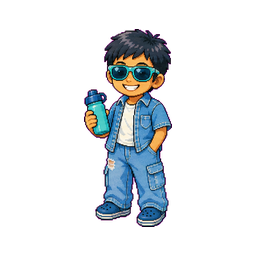
Nudgekin for Windows
Three desk-break cues, one companion.
Use stand-and-move, stretch-break, and posture-check reminders separately, or combine them with water, eye-break, and breathing prompts.
Common questions
Stretch and movement reminder FAQ.
Can Windows remind me to stand up and stretch?
Yes. Nudgekin includes separate stand-and-move, stretch-break, and posture-check reminders for Windows 10 and 11. Enable only the reminders that fit your routine and schedule them around active hours.
How often should I take a movement break?
Timing should reflect the person, task, workplace, and professional guidance. CDC/NIOSH office guidance notes evidence that short breaks every hour can reduce discomfort for computer workers, but choose a sustainable schedule for your circumstances.
Is Nudgekin a forced full-screen break timer?
No. Nudgekin is a gentle animated desktop reminder rather than a forced lockout. You remain in control of snoozing, timing, and enabled reminder types.